My name is Kinga Gabányi, I am 21 years old, and I have always loved volunteering. There is something magical about working solely for a “good cause.” However, there is much more to a volunteer camp than just the goal itself.
At an international volunteer camp, like the one I attended for 10 days in Serbia, it’s actually the experiences gained there, the international friendships, the words and customs learned from other languages, the exposure to a new culture, and working together that make the experience unforgettable.
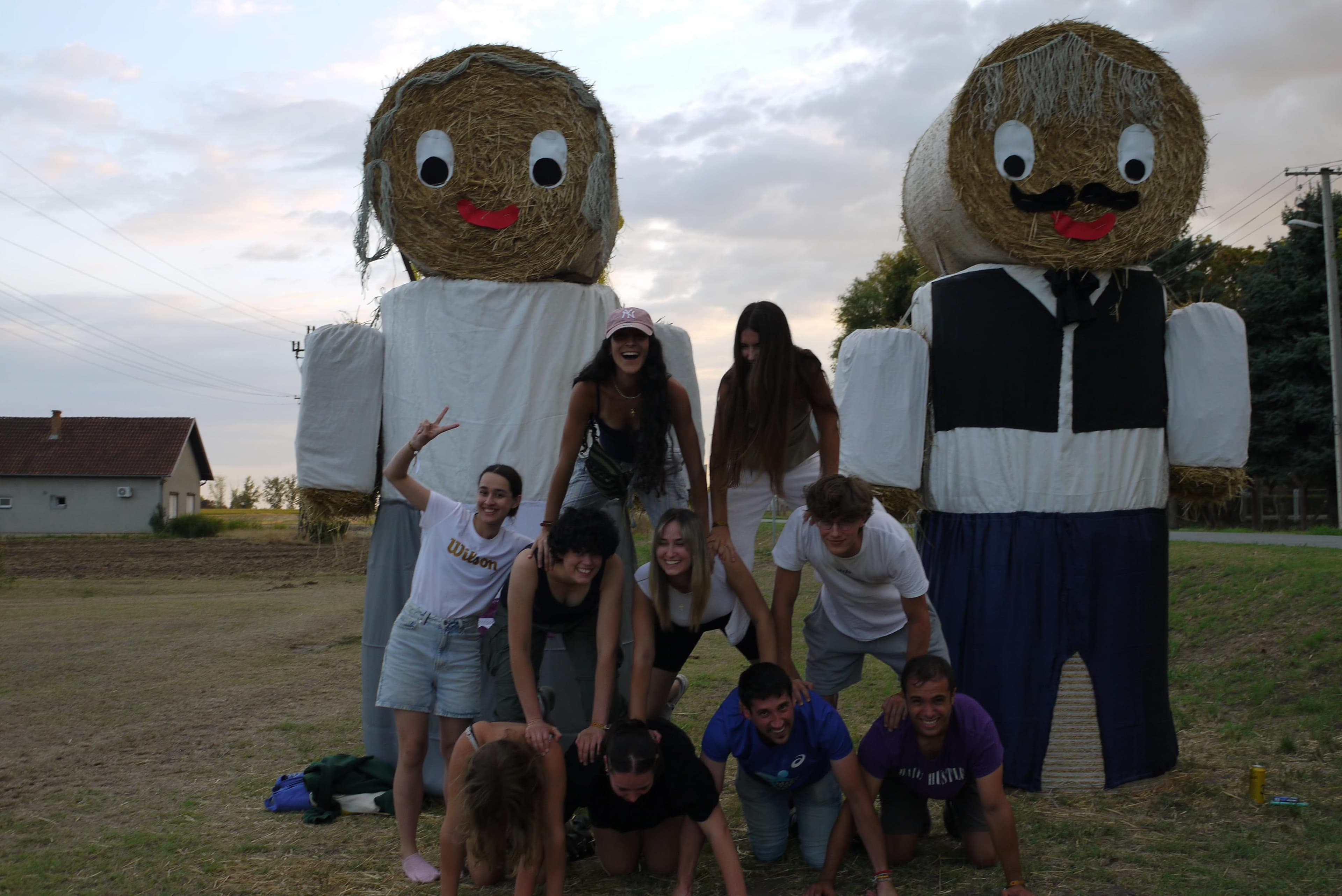
This camp was organized by the Young Researchers of Serbia, which has been operating since 1976. Its goals include environmental protection, sustainability, promoting international cooperation among young people, and encouraging volunteerism. The location was Totovo, in the Vojvodina region, where the “Szabó Dénes” Association has been active since 2011, working to preserve local cultural values and support community life.
As volunteers, we took part in renovating the village’s communal spaces. The work was physical: clearing weeds, doing minor repairs, painting a new student dormitory, feeding animals, and tidying up the local outdoor museum-like park. We also helped build a new lookout tower. Daily work lasted about six hours, which was sometimes challenging under the scorching sun. It was demanding, but worth it, because we felt we were doing something meaningful.
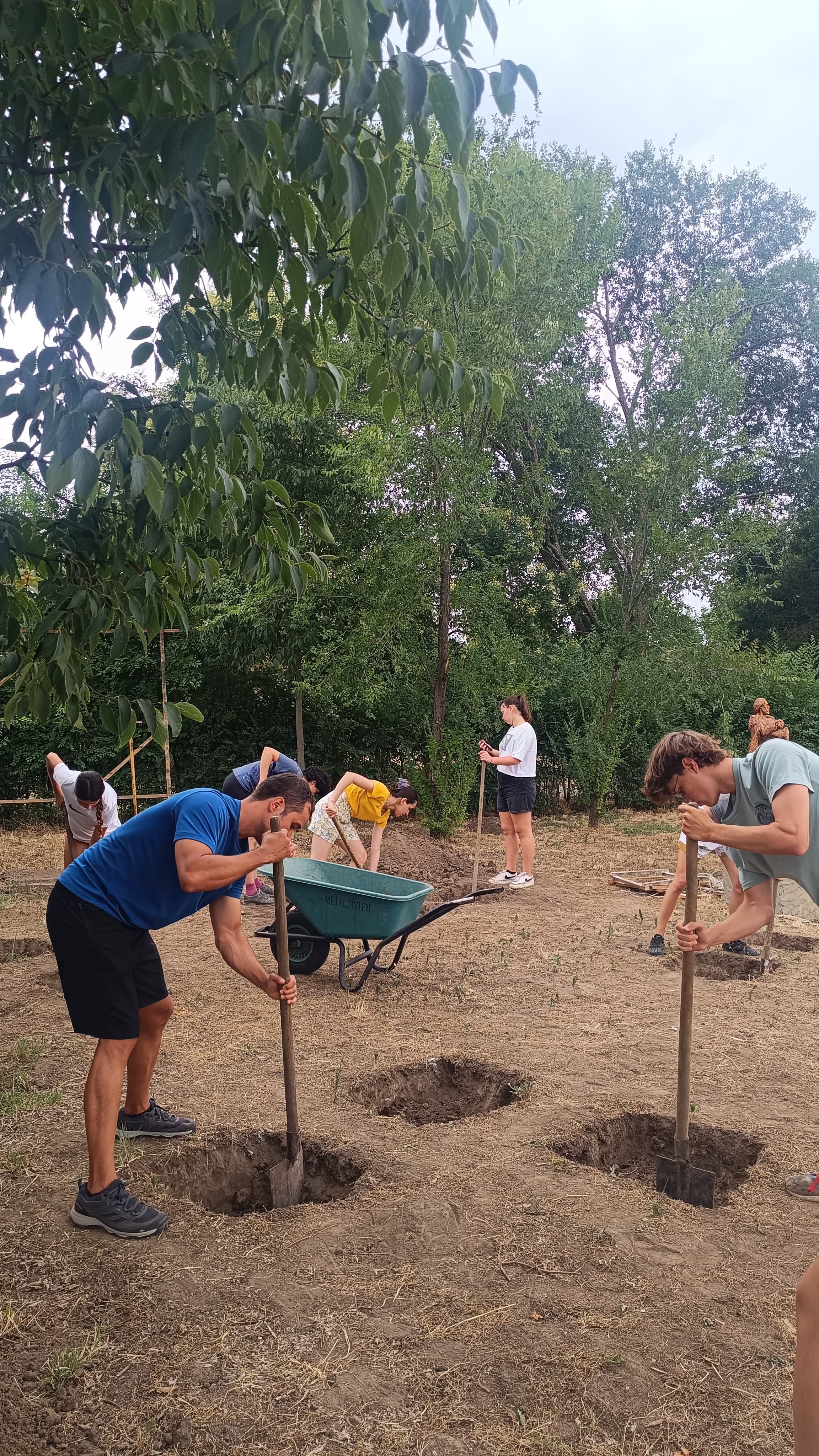
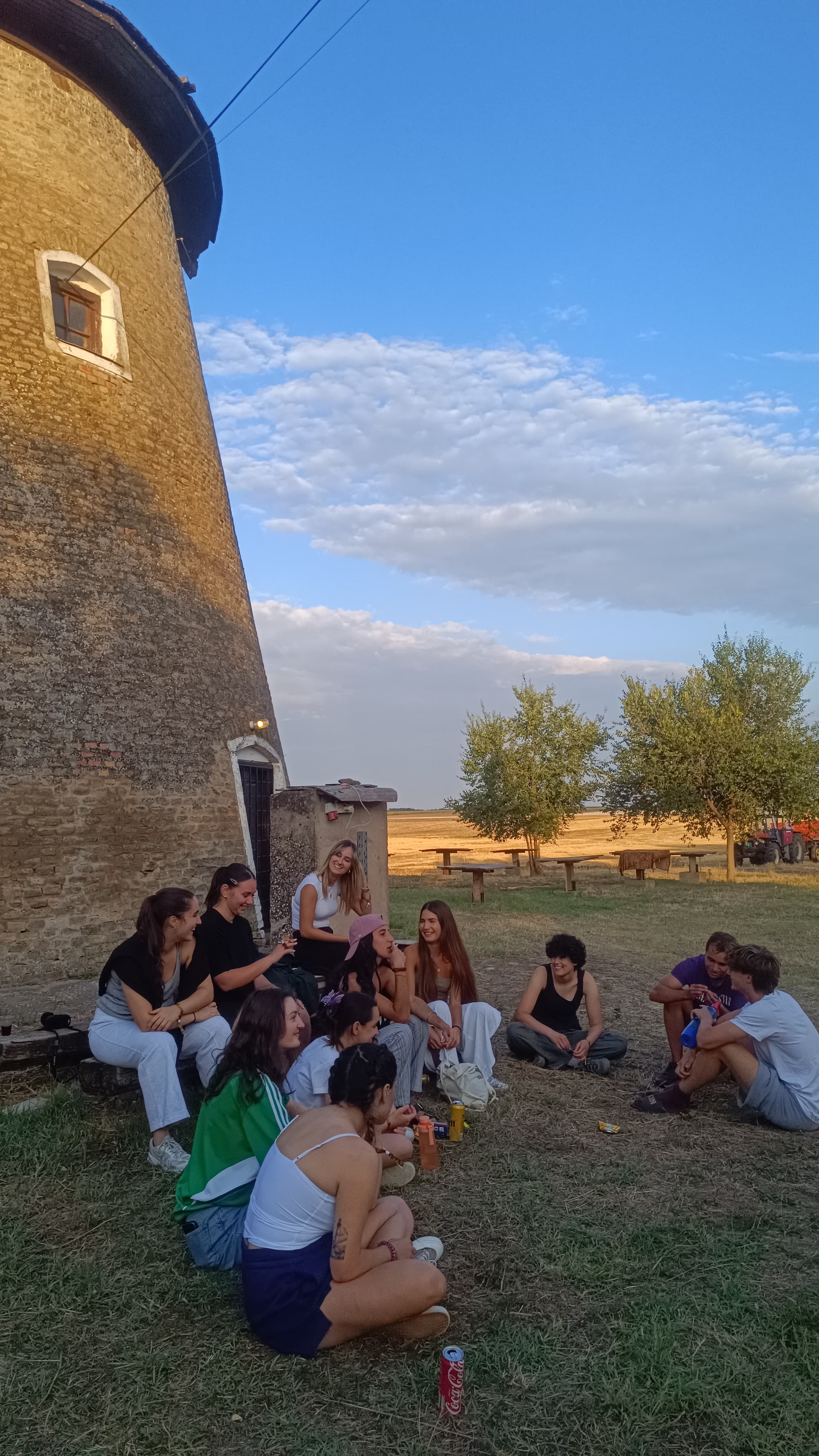
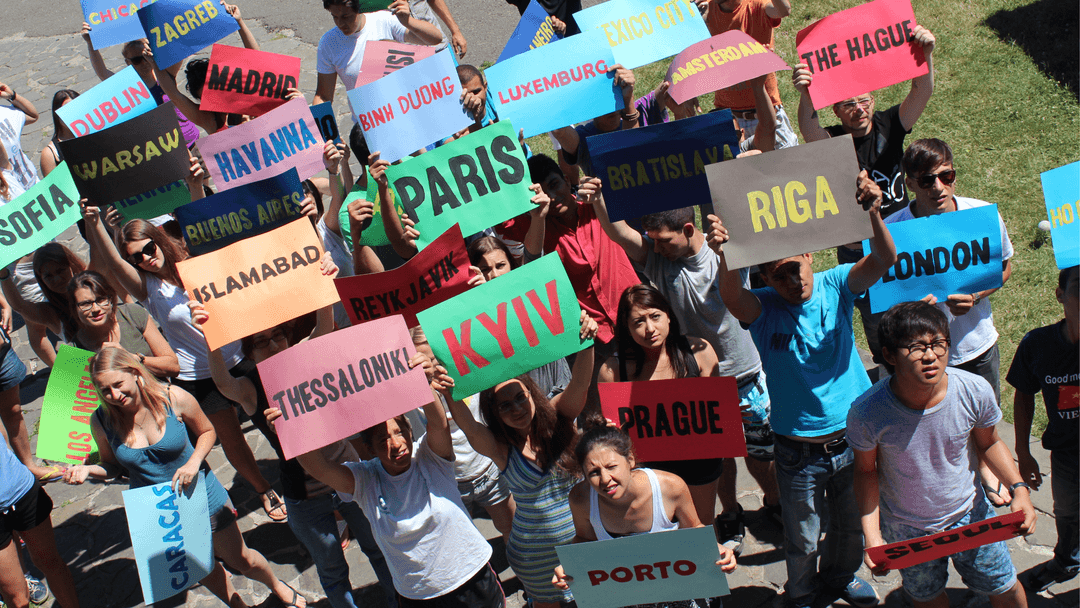
In our free time, we had the opportunity to learn about the local history and traditions, go on excursions to the banks of the Tisza River, and finally rest a little. We went swimming, played ball games, ate and drank together, and got to know each other more deeply. One day, we even visited Subotica. Camp participants were between 18 and 27 years old, coming from different countries. Among us were Russians, Germans, Spaniards, and of course Serbs and Hungarians.
The accommodation was simple but welcoming, perfectly blending Hungarian and Serbian traditions. It had a wonderfully decorated and cozy communal space where, needless to say, we spent a lot of time playing games, cards, and talking. The owner, Zoli, was also our supervisor during work.
Additionally, there was plenty of time to explore the park being renovated and the area around the dining hall, as a local artist, Imre, had filled the village with small sculptures and artworks, giving the already welcoming village a truly fairy-tale-like atmosphere. Usually, we helped Imre with painting or advancing the lookout tower project.
Once, Imre took me and my roommate to his workshop, where he showed us amazing things. This hidden village artist is not only skilled in sculpture but also in painting, coding, and robotics. I had never seen such a diverse range of creations in one place, and I certainly didn’t expect it here.
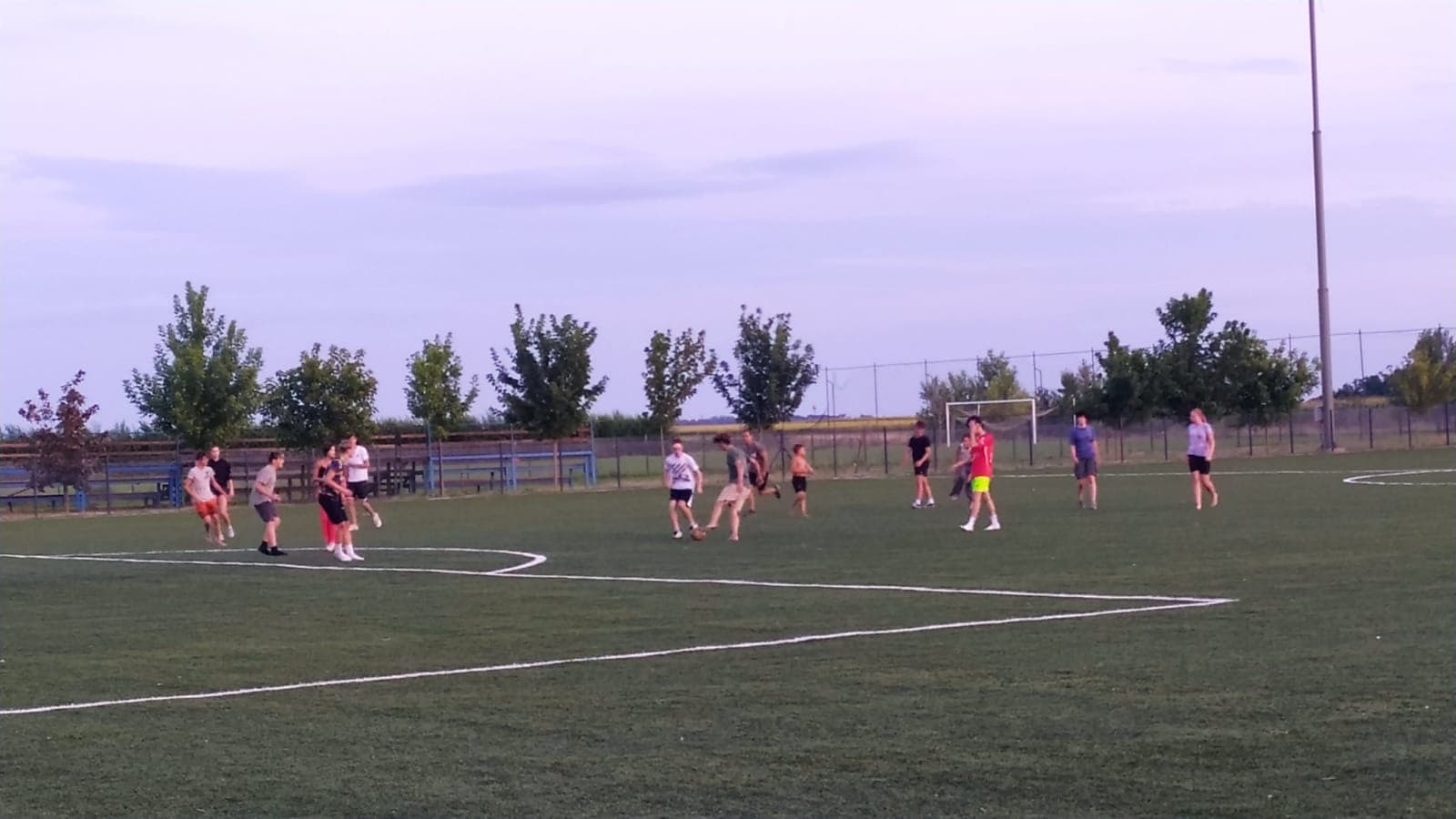
Besides this, our favorite hangout spots were either the football field or the meadow, especially at night—and for a good reason: the stars. Many of us came from big cities with nonstop daily routines. And there we were, almost ten of us, whose lives intersected for a brief period, forced to slow down. For ten days, we created a new routine together, a routine that included time to sit quietly and watch the stars. The last night was truly touching and perhaps sparked the deepest conversations we had had so far.

This camp was especially valuable to me because it offered insight into the life of the Hungarian community in Vojvodina and allowed me to experience how young people from different countries can contribute together to the development of a small village. Yet, the most important aspect of such an adventure is the internal change it brings. The openness that characterizes the community in an international volunteer camp leaves a heartwarming feeling whenever one reflects on those fleeting ten days, making it clear why it’s worth doing. Because when you are there for each other and can function as a team, any goal is worth working for—even under the blazing sun.